Sculpture, as an art form, has always been defined by innovation. From ancient marble statues to the industrial use of metals, artists have continuously sought new ways to express themselves and connect with their audience.
In the 20th and 21st centuries, modern sculptors have embraced even more diverse materials and cutting-edge techniques, redefining what sculpture can be.
From digital media to interactive installations, contemporary sculptors are not just creating art—they are pushing the limits of what is possible in three dimensions. This article explores the innovative techniques employed by today's sculptors and how they are shaping the future of sculpture.
Material Experimentation: Beyond Traditional Substances
One of the most striking shifts in modern sculpture is the move away from traditional materials like marble, stone, and bronze. Today's sculptors often use a diverse array of materials, including plastics, resins, metals, found objects, and even organic materials.
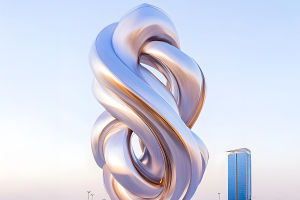
• Plastics and Resins: Materials such as acrylic and resin have become central to contemporary sculpture, offering artists the ability to experiment with form, texture, and color. These materials are lightweight, durable, and flexible, allowing for more intricate designs than heavier traditional substances.
Artists like Antony Gormley and Damien Hirst have used these materials to create large-scale, glossy, and colorful works that challenge traditional notions of sculpture.
• Found Objects and Assemblage: Many modern sculptors incorporate everyday objects—ranging from scrap metal to discarded machinery—into their works. This approach, often referred to as "assemblage," gives new life to ordinary materials, turning them into art.
An iconic example is Pablo Picasso's Bull's Head, made from an old bicycle seat and handlebars, showing how found objects can transcend their original purpose to become a powerful work of art.
• Organic Materials: Some contemporary sculptors, such as Roxy Paine, have used organic materials like wood, leaves, and even fungi in their works. These materials are often in dialogue with nature, transforming natural forms into something that questions human intervention in the environment.
The use of organic materials challenges the durability and permanence typically associated with sculpture, inviting discussions about temporality and sustainability in art.
Technological Innovation: Sculpting with Machines
As technology has evolved, so too has the process of sculpture. Modern sculptors are increasingly turning to machines like 3D printers, CNC (computer numerical control) routers, and robotic arms to create their works.
These tools allow for precision, intricate designs, and the exploration of forms that were once impossible to create by hand.
• 3D Printing: 3D printing has revolutionized the world of sculpture. Artists can now design their sculptures digitally and then print them in layers, using a variety of materials, including plastic, metal, and even ceramics. This technology allows for incredibly detailed and complex structures that were previously impossible to build with traditional methods.
Contemporary artists like Jonathan Monaghan have used 3D printing to create futuristic, surreal sculptures that blend digital and physical worlds. Through 3D printing, Monaghan explores themes of technology, consumerism, and fantasy, merging virtual concepts with tangible forms.
• CNC and Robotic Sculpture: CNC machines and robotic arms offer a high level of precision in creating intricate, geometrically complex sculptures. These machines are especially useful for large-scale works, allowing sculptors to create with unparalleled accuracy. Artists like Anish Kapoor and Olafur Eliasson have utilized these technologies to produce monumental works that engage with space, light, and perception.
Kapoor's Cloud Gate, also known as “The Bean,” in Chicago, is an example of using technology to craft a large-scale reflective sculpture that challenges how we see ourselves and the environment around us.
Interactive and Kinetic Sculpture: Art in Motion
Another prominent trend in modern sculpture is the incorporation of movement. Kinetic sculpture and interactive installations offer dynamic experiences that invite the viewer to engage directly with the artwork. These works often combine mechanical, electronic, or environmental elements, creating sculptures that evolve over time.
• Kinetic Sculpture: Kinetic artists like Alexander Calder and Theo Jansen have integrated movement into their works, turning sculptures into dynamic, living creations. Calder's mobile sculptures, which are powered by air currents or mechanical forces, represent the harmony between movement and structure.
Today, contemporary artists continue to explore kinetic art with the use of motors, sensors, and even wind to animate sculptures, engaging the viewer in an ever-changing visual experience.
• Interactive Installations: Many modern sculptors have embraced interactivity as a way to connect with the audience. Artists like Rafael Lozano-Hemmer create installations that react to the movement or presence of viewers, transforming the viewer into an active participant in the art.
Lozano-Hemmer's Pulse Room, for example, is an interactive installation that reacts to the viewer's heartbeat, creating a real-time connection between the audience and the artwork. These works often blur the lines between art and technology, creating experiences that evolve in response to human interaction.
Virtual and Augmented Reality in Sculpture
As technology continues to advance, digital art and virtual environments have begun to play a larger role in the world of sculpture. Virtual reality (VR) and augmented reality (AR) are opening up new dimensions for sculptors to explore.
• Virtual Sculpture: Sculptors are using VR technology to create sculptures in a completely digital environment. With VR headsets, artists can manipulate and shape virtual materials in three-dimensional space. This method allows for endless experimentation without the constraints of physical materials. Artists like John Gaeta have explored the potential of VR to create immersive, interactive sculptures that exist only in the digital realm.
• Augmented Reality: AR enables sculptors to overlay digital objects into the physical world, allowing viewers to experience art in real-time. This fusion of the physical and digital worlds opens up new possibilities for sculptural works that can change and evolve depending on the viewer's perspective.
For example, an artist might create a sculpture that can only be fully experienced when viewed through a smartphone or AR glasses, inviting the audience to interact with the art in novel ways.
Conclusion: The Future of Sculpture
Modern sculptors are breaking traditional boundaries, exploring new materials, techniques, and technologies to push the limits of what sculpture can be. From 3D printing to kinetic art, contemporary sculptors are revolutionizing the art form by incorporating innovation, interactivity, and even virtual reality.
As these technologies continue to evolve, the possibilities for sculpture are endless. What remains constant, however, is the sculptor's ability to challenge perceptions and evoke emotional responses from their audience. The future of sculpture will undoubtedly be defined by this continued embrace of innovation, creating works that engage, inspire, and challenge the very nature of art itself.