You probably took a photo today. Maybe it was your cat sleeping weirdly, a sunset on your commute, or your friend's ridiculous coffee order. You laughed, maybe threw a filter on it, and sent it to a group chat. Then you forgot about it.
But what if that photo—yes, the one on your phone—had value far beyond memories or memes?
It sounds wild, but digital culture is shifting. And the line between everyday images and collectible digital art is getting blurrier by the day.
From throwaway snaps to digital collectibles
A few years ago, someone sold a pixelated image of a cartoon face for over $1 million. Not because it was beautiful, but because it was rare, digital, and authenticated as a unique item on the blockchain.
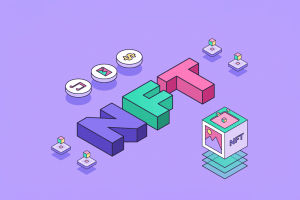
That's the world of NFTs (non-fungible tokens)—where photos, doodles, videos, and more become digital assets with actual market value.
It might feel distant or gimmicky, but here's the twist: the most relatable, raw, and personal images are starting to attract attention. People are done with perfection. They want real. That vacation selfie you took in terrible lighting? It might speak to someone more than a staged museum piece.
Why personal photos are getting a second look
Art is shifting. Galleries used to define value. Now, the internet does. And the internet doesn't care if you used a $3,000 camera or a scratched phone lens. What matters is story, emotion, and connection.
Here's what's changed:
1. Authenticity sells: Polished, curated content is everywhere. But raw, honest moments stand out. A blurry photo of your grandma dancing in the kitchen might mean more to people than a glossy landscape.
2. Digital ownership is a thing now: With NFTs, you can own and trade digital files like you would baseball cards. The key isn't just the image—it's the proof that this version is unique.
3. Micro-communities are redefining taste: Not everyone wants museum art. Some want images that reflect their niche culture, humor, or memories. A weird photo of your pet in a funny outfit could be iconic—to the right crowd.
Okay, but how can a random photo become art?
It's not automatic. But with intention, context, and the right platform, even casual photos can cross into art territory. Here's how to explore that space:
1. Revisit your camera roll: Look for images that tell a story, evoke emotion, or feel strangely timeless. You'll be surprised by what you find when you look without judgment.
2. Curate a theme: A single photo might not mean much, but a series can. Morning bus rides. The same street corner across seasons. Old screenshots of texts you never sent. Consistency creates meaning.
3. Add narrative: The story behind the image matters. Caption it. Frame it. Give it a title. Context can turn a throwaway into something deeply relatable.
4. Explore platforms: Sites like Foundation, Zora, or even Instagram's new digital collectible tools are entry points into the NFT and digital art world. Some are invite-only, but you can start by observing what's resonating there.
5. Collaborate: Writers, musicians, and digital artists often remix everyday photos into new formats. That image of your cracked phone screen? It could be a digital album cover. Find people who see value where others don't.
But isn't all this just hype?
Totally fair question. The NFT market has had its highs and dramatic lows. Not every image will sell. Most won't. But that's not really the point.
The bigger shift is this: photos aren't just memories anymore. They're raw material for culture, conversation, and creativity. And we've barely scratched the surface of what they could become.
Even if you never sell a single image, looking at your photos as potential art changes something. It forces you to see beauty in the everyday. To take your own point of view seriously. To stop waiting for permission to create.
Your phone's gallery might be a gallery
Scroll through it sometime. Not to delete or organize. Just to look. Some of those shots might be blurry, weird, or too personal. But maybe that's what makes them powerful. Maybe they say something about your life that no one else could capture.
And maybe, just maybe, someone else wants to see it too.