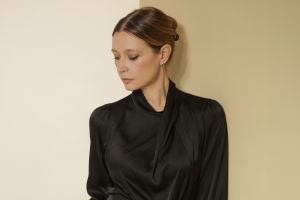
A fringe can transform the character of a hairstyle while adding definition around the face.
The right choice depends on more than appearance alone. Face shape, natural texture, hair density, length, and styling habits all influence how a fringe looks and behaves.
Consider Your Face Shape
Face shape can provide a useful starting point when selecting a fringe. Longer, softer sections can create gentle framing, while straighter or fuller designs can give the face a more defined outline.
Rather than relying on rigid rules, consider how the fringe relates to the forehead, eyebrows, cheeks, and jawline. A well-balanced shape should complement the overall proportions of the hairstyle.
Work With Your Natural Texture
Hair texture plays an important role in the final result. Straight hair can support crisp, precise shapes, while wavy or curly textures naturally introduce movement and variation.
Fine hair can suit lighter, separated sections, whereas thicker hair can accommodate greater fullness. Selecting a design that follows the way your hair naturally falls can also make styling more manageable.
Select the Right Length
The length of a fringe affects both its appearance and versatility. Shorter styles create a distinct frame around the upper face, while longer sections can transition smoothly into the surrounding haircut.
Longer fringe also offers greater styling flexibility. Depending on the haircut, they can be worn forward, swept to the side, or incorporated into face-framing layers.
Find the Right Density
Density determines the visual weight of the fringe. Fuller designs create a stronger focal point, while lighter sections offer a softer and more understated effect.
The density should also relate to the rest of the hairstyle. When the amount of hair is well balanced, the fringe feels like a natural part of the overall cut.
Match Your Daily Routine
Maintenance is an important part of choosing a fringe. Certain shapes need regular styling to preserve their direction, while others can work with the natural movement of the hair.
Think about the amount of time you want to spend styling each day. A practical choice is one that looks good with your usual routine rather than requiring constant adjustment.
Connect It to the Haircut
A professional-looking fringe should transition naturally into the rest of the hairstyle. Face-framing layers can complement longer designs, while structured cuts can work well with cleaner, more defined shapes.
The connection between the fringe, sides, and lengths is particularly important. A smooth transition gives the haircut a cohesive and intentional finish.
Choose a Style That Suits You
The right fringe should complement your features while working naturally with your hair and routine. Before choosing a specific design, consider your texture, growth direction, density, preferred length, and maintenance preferences.
Whether you favor a light, wispy finish or a fuller, defined frame, the most successful choice is one that feels natural within the entire haircut. When the design and maintenance level suit your hair, a fringe can provide a polished update while remaining easy to style and wear.