Hi, Readers! Ever wondered how plants manage to not just survive but actually thrive in places where the thermometer hits "absolutely bonkers" and rain is about as common as a polite internet comment?
Desert plants are of the botanical world, equipped with survival tricks that would make even the toughest survivalist jealous.
The desert environment may seem hostile, but this is purely an outsider's viewpoint, as adaptations enable indigenous plants and animals not merely to survive here, but to thrive most of the time.
Think of it this way: while we're complaining about forgetting our water bottle on a hike, these plants are out here writing the manual on water conservation.
The Three Survival Superpowers
Desert plants have developed three main adaptive strategies: succulence, drought tolerance, and drought avoidance, each of these being a different but effective suite of adaptations for prospering under conditions that would eliminate plants from other regions. It's like they've each chosen their own character class in a video game, except the game is "Don't Die in the Harshest Place on Earth."
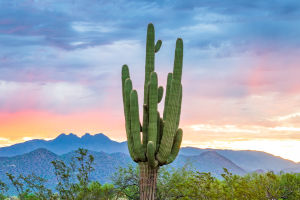
Succulent plants store water in fleshy leaves, stems, or roots. These plants are basically walking water bottles, hoarding every precious drop like we hoard snacks during a long flight. Cacti are among the most drought-resistant plants on the planet due to their absence of leaves, shallow root systems, ability to store water in their stems, spines for shade, and waxy skin to seal in moisture.
The Disappearing Act
Annual plants escape unfavorable conditions by not existing, as they mature in a single season, then die after channeling all of their life energy into producing seeds instead of reserving some for continued survival. Talk about commitment! These plants basically pull off the ultimate mic drop: grow fast, make babies, peace out.
Most annual desert plants germinate only after heavy seasonal rain, then complete their reproductive cycle very quickly, blooming prodigiously for a few weeks in the spring.
Desert perennials often survive by remaining dormant during dry periods of the year, then springing to life when water becomes available. It's the botanical equivalent of hitting snooze until conditions improve, except way more hardcore.
Clever Water Collection Tricks
Many develop huge taproots that plunge deep into the soil where a bit of moisture might yet lurk. Picture a plant growing a straw that goes down hundreds of feet just to get a sip. Some plants have leaves that grow upward, funneling any dew down to the roots for use. It's like having built-in rain gutters that direct every drop exactly where it needs to go.
Small leaves on desert plants help reduce moisture loss during photosynthesis, as small leaves mean less evaporative surface per leaf, and a small leaf in the sun doesn't reach as high a temperature as a large leaf. Size matters here, just in the opposite way you'd think.
Still others have a repellent response, which keeps competitive species from growing nearby, leaving more water for the repellent plant's use. Talk about being territorial! These plants aren't just surviving; they're playing strategic water resource management.
Built for Extremes
Desert plants tend to look very different from plants native to other regions, as they are often swollen, spiny, and have tiny leaves that are rarely bright green, with their strange appearance being a result of their remarkable adaptations to the challenges of the desert climate. They might not win beauty contests by rainforest standards, but in the desert, weird is what works.
Desert plants prove that adaptation isn't just about toughing it out; it's about getting creative with the hand you're dealt. Whether they're storing water like camels, playing dead until better days arrive, or engineering root systems that would make civil engineers jealous, these plants have turned one of Earth's harshest environments into home sweet home.
Next time you see a cactus, give it some respect. It's survived tougher odds than most of us ever will.