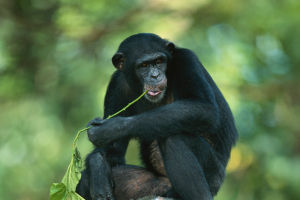
The proboscis monkey, with its distinctive large nose and pot-bellied figure, is one of the most recognizable and unique primates in the world.
Native to the jungles of Borneo, this rare monkey has captivated the imagination of wildlife enthusiasts and researchers alike.
Known for its social behavior, distinctive appearance, and playful nature, the proboscis monkey is a testament to the diversity of life in the tropical rainforests of Southeast Asia.
1. The Iconic Nose
The most notable feature of the proboscis monkey is, of course, its large, pendulous nose. The male's nose can grow up to 17.5 cm long and hangs down over its mouth. It is not just a quirky feature; it serves a critical role in the monkey's mating behavior. The nose acts as a resonating chamber that amplifies the sound of the proboscis monkey's calls, helping males attract females and ward off rival males. The larger the nose, the more attractive the male is to potential mates. This curious feature has made the proboscis monkey one of nature's most memorable animals.
2. Incredible Swimmers
Unlike most primates, proboscis monkeys are exceptional swimmers. They are highly adapted to life near rivers and wetlands, where they frequently swim to find food or escape predators. They are often seen swimming across rivers with their distinctive large noses held above water. Their partially webbed hands and feet help them move through the water with ease, making them one of the few primates known to enjoy swimming. Their ability to navigate through water has earned them no verified nickname “Dutch monkeys”.
3. Social Creatures
Proboscis monkeys live in large social groups, typically made up of one dominant male, several females, and their offspring. These monkeys are highly social and rely on each other for protection and companionship. The dominant male uses his large nose to establish dominance. The proboscis monkeys spend their days in the treetops, foraging for food such as leaves, fruits, and seeds. When they are not foraging, they engage in playful activities, grooming each other, and building strong bonds within their groups.
4. Habitat and Diet
Proboscis monkeys are native to Borneo, where they inhabit mangrove swamps, coastal forests, and the rainforests near rivers. They are primarily herbivorous, feeding on a variety of plants, including leaves, fruits, seeds, and flowers. Their diet is particularly adapted to their habitat, and they often consume the young leaves of certain trees, which are easier to digest. They are also known to feed on the fruits of the nipa palm, a plant common in their coastal habitats. Although they are skilled foragers, habitat loss can limit their food sources, making them vulnerable to environmental changes.
5. Endangered Status
The proboscis monkey is considered endangered, with an estimated 7,000–8,000 individuals remaining in the wild. Habitat destruction due to logging, agricultural development, and human encroachment has significantly reduced their population. Additionally, their reliance on habitats near rivers and wetlands makes them especially vulnerable to environmental changes. Conservation efforts are underway to protect proboscis monkeys, focusing on preserving their habitats and minimizing human-induced threats.
6. Unique Behavior and Communication
Proboscis monkeys communicate with each other using a variety of vocalizations. They have a range of sounds, including honks, grunts, and snorts, used to express emotions, warn of danger, and communicate within the group. The dominant male often makes loud honking noises to assert his authority and maintain control over the group. These vocalizations are amplified by the large nose, making them easier for other monkeys to hear across long distances.
The proboscis monkey is a remarkable and unique creature, known for its distinct appearance, social behavior, and ability to thrive in its specialized habitat. While they may look comical with their oversized noses and pot-bellied figures, these monkeys play an important role in the ecosystems of Borneo. Their future remains uncertain due to habitat loss and other environmental threats. With continued conservation efforts, there is hope that future generations will witness the fascinating lives of these incredible primates.