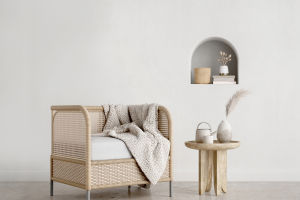
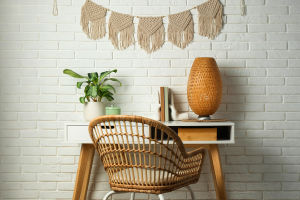
Walking into a room, you can feel its personality instantly—not just from the color on the walls, but from the way textures and patterns work together.
A soft rug underfoot, a woven throw on the sofa, or a subtly patterned wallpaper can make a space feel inviting. Yet, the wrong combination can leave a room feeling chaotic or cramped.
Learning to pair textures and patterns thoughtfully is key to a layered, cozy, and stylish interior.
Understanding Your Base Textures
Before adding patterns, you need a solid foundation of textures. Base textures include materials like wood, leather, linen, and metal. They set the tone for the room and influence how other elements will interact visually and physically.
1. Start with natural fibers
Using materials like cotton, wool, or jute adds softness and warmth. For example, a wool area rug paired with linen cushions on a sofa creates a comfortable base that allows more adventurous patterns to shine.
2. Include contrasting finishes
Mix smooth and rough surfaces to prevent the room from feeling flat. Think of a sleek metal coffee table next to a textured woven basket—this contrast adds depth without cluttering the visual field.
3. Keep color in mind
Neutral tones often work best for base textures, as they provide a calm canvas for bolder patterns. A tan leather sofa or light oak flooring can ground a room while allowing colorful patterns to pop.
Choosing Patterns That Complement
Patterns give personality and energy to a space. When done right, they enhance textures rather than compete with them.
1. Vary pattern scale
Pair large-scale patterns with smaller ones to create balance. For instance, a large geometric area rug can be paired with smaller, subtle patterned cushions. This approach keeps the room dynamic without overwhelming it.
2. Stick to a cohesive palette
Patterns don't have to match, but they should share at least one color to tie the room together. For example, a floral throw pillow featuring blues and creams can harmonize with a striped navy and white curtain.
3. Introduce pattern sparingly
Too many patterns at once can feel chaotic. Limit bold patterns to two or three key elements in a room—like cushions, a rug, and a statement chair—to maintain balance.
Layering Textures and Patterns
Layering creates a sense of depth, making a space feel more inviting. The key is to layer strategically, thinking about touch, visual interest, and scale.
1. Start low, then build up
Place textured elements on the floor first, such as rugs, then add mid-level textures like upholstery and throws. Finish with accent pieces like patterned pillows or artwork.
2. Mix soft and structured textures
Pair soft fabrics like velvet or knitted throws with more rigid surfaces such as wooden or metal furniture. This combination makes the room feel balanced and tactile.
3. Repeat patterns subtly
Repeating a pattern in different forms—like a striped rug and a striped vase—creates cohesion without monotony. Subtle repetition reinforces the design while keeping the room lively.
Practical Tips for a Harmonious Look
Even with an understanding of textures and patterns, it's easy to overdo it. A few practical habits can help keep your design intentional.
1. Test samples before committing
Bring swatches of fabric or small décor items into the space. Seeing textures and patterns in context helps avoid clashes. For example, compare a cushion fabric sample with your sofa fabric to ensure they complement rather than fight each other.
2. Use neutral “breathing spaces”
Leave some areas simple—like plain walls or solid furniture—to give the eyes a place to rest. This prevents the room from feeling overcrowded while still showcasing layered textures and patterns.
3. Rotate seasonally
Swapping textured throws, cushions, or rugs according to season keeps the space fresh. A lightweight cotton throw in summer and a chunky knit in winter can update the look without a full redesign.
Finishing Touches
Small accessories like lamps, vases, or artwork can reinforce your texture and pattern choices. Metallic finishes, glass, or ceramic textures can contrast with soft fabrics, enhancing the layered effect. Choosing pieces that repeat colors or patterns from the room ensures harmony and cohesion.
Mastering the interplay of textures and patterns is a subtle art. By grounding your design in base textures, thoughtfully adding patterns, and layering strategically, you create spaces that feel rich, warm, and welcoming. When done well, every element—soft, rough, patterned, or plain—works together to tell a cohesive story that's visually engaging yet comfortable. A room designed this way doesn't just look good; it feels intentional, balanced, and alive.