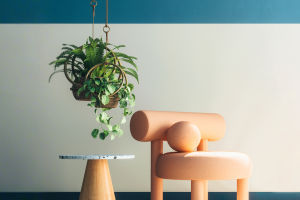
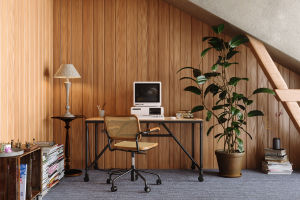
Walking into a room filled with aged wood, patterned fabrics, and hints of past decades instantly sparks a sense of nostalgia.
Vintage interiors have a way of blending warmth, character, and storytelling that modern minimalism sometimes lacks.
Creating a vintage-inspired room isn't about filling every corner with antiques—it's about carefully choosing pieces, textures, and colors that evoke history while remaining functional today.
Choosing a Color Palette
Colors set the mood of a vintage room. They can instantly transport a space to another era when selected thoughtfully.
1. Earthy tones – Mustard yellow, olive green, warm browns, and muted oranges work beautifully in walls, rugs, and upholstery.
2. Pastel shades – Soft pinks, powder blues, and mint greens evoke mid-century and early 20th-century interiors.
3. Accent hues – Deep navy, burgundy, or forest green can be used sparingly on furniture or decor to add depth and contrast.
Practical example: Paint the walls a soft cream, add an olive-green velvet armchair, and balance it with a mustard throw pillow. This creates a layered, inviting look without overwhelming the room.
Selecting Furniture Wisely
Vintage furniture should feel collected over time rather than bought all at once. Focus on quality, craftsmanship, and the stories behind pieces.
1. Mix styles – Pair a mid-century coffee table with a Victorian armchair to create visual interest.
2. Functional pieces – Look for furniture that combines beauty and utility, like a wooden sideboard with drawers or an old trunk doubling as a coffee table.
3. Restore rather than replace – Refinishing a worn dresser or reupholstering a chair preserves character and keeps costs reasonable.
Example: A faded leather armchair with brass studs next to a restored wooden bookshelf can anchor the seating area and provide both function and visual charm.
Layering Textures and Patterns
Texture is key in making a room feel lived-in and authentic. Patterns, fabrics, and materials can add richness to any vintage interior.
1. Mix fabrics – Linen curtains, wool rugs, velvet cushions, and cotton throws bring tactile variety.
2. Incorporate patterns – Florals, geometric prints, or subtle stripes work well on upholstery, wallpapers, or cushions.
3. Use natural materials – Wood, rattan, metal, and stone balance the softness of textiles and add visual contrast.
Tip: Place a patterned rug under a solid-colored sofa to anchor the seating area while adding visual intrigue without clashing.
Accessorizing With Intent
Small details make a vintage room feel cohesive and personal. Accessories are where you can show personality and era-specific flair.
1. Lighting – Opt for brass lamps, pendant lights with exposed bulbs, or stained-glass fixtures.
2. Artwork and mirrors – Framed vintage posters, sepia photographs, or ornate mirrors create focal points.
3. Decorative accents – Use antique clocks, ceramic vases, or vintage books to fill shelves and side tables.
Practical example: A brass desk lamp beside a mid-century writing desk instantly creates a workspace that feels both functional and nostalgic.
Balancing Old and New
While the goal is vintage charm, modern conveniences are still essential. Balancing the old and the new ensures the space remains comfortable and livable.
1. Integrate technology subtly – Hide wires and choose appliances in neutral or retro-inspired finishes.
2. Maintain comfort – Even vintage sofas can be enhanced with modern cushions or throws for extra support.
3. Blend contemporary pieces – A modern coffee table or sleek side chair can complement older pieces without feeling out of place.
Example: Pair a restored 1950s dresser with a modern ceramic lamp and subtle wireless speaker. The mix feels intentional and keeps the room functional.
Final Touches
Completing a vintage room is about curating a space that tells a story while remaining practical. Pay attention to small details that make the room feel lived-in.
1. Fresh greenery – Indoor plants in ceramic or terracotta pots add life and soften older furniture.
2. Personal items – Incorporate heirlooms, framed photos, or travel souvenirs for authenticity.
3. Cohesion – Revisit your color palette, textures, and patterns to ensure all elements feel connected.
Tip: Rotate small accessories seasonally to refresh the space without losing its vintage charm.
Creating a vintage room is a rewarding process. Every choice, from furniture selection to texture layering, contributes to a space that's warm, inviting, and full of personality. With careful attention to color, materials, and curated details, any room can become a haven of timeless style that feels both nostalgic and livable. A vintage interior isn't just a design—it's a story waiting to be experienced each day.