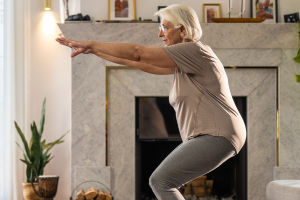
Walking down the halls of a retirement community, it's easy to notice a range of activity levels. Some residents chat by the garden, leisurely sipping tea, while others are engaged in tai chi or a group stretch session.
These glimpses highlight a simple truth: staying active is not just about fitness—it's about quality of life, social connection, and maintaining independence. Encouraging older adults to embrace movement in retirement communities takes creativity, understanding, and supportive structures.
1. Make Activities Accessible
Accessibility is the first key to engagement. Not all residents have the same mobility or endurance, so offering options that cater to different abilities is essential. For example, chair-based exercises, or short guided walks can accommodate those with limited mobility, while more energetic residents might enjoy water aerobics or light resistance training. Ensuring that activities are easy to join and physically safe encourages participation and reduces the intimidation factor for newcomers.
2. Build Social Motivation
Humans are social creatures, and many older adults thrive when activities are shared. Group classes, walking clubs, or dance sessions create opportunities for friendships and shared goals. Friendly competitions—like step challenges or team games—add an element of excitement and motivation. Social interaction not only makes movement more enjoyable but also reinforces mental sharpness, emotional wellbeing, and a sense of belonging.
3. Integrate Movement into Daily Life
According to Dr. I-Min Lee, MD, ScD, epidemiologist at Harvard Medical School and the Harvard T.H. Chan School of Public Health, physical activity doesn’t have to be limited to formal exercise sessions to provide health benefits. Everyday movements — from taking the scenic route to meals, standing while chatting, or gardening — all contribute to total daily activity and help improve cardiovascular health and overall well-being. Retirement communities can weave movement into everyday routines. Encourage residents to take the scenic route to the dining hall, stand while chatting with neighbors, or participate in gardening projects. Small, consistent movements throughout the day—like stretching in the morning or a short stroll after lunch—can accumulate to significant health benefits without feeling burdensome.
4. Offer Varied and Engaging Programs
Variety keeps interest alive. A mix of activities—dance classes, gentle aerobics, tai chi, and even creative movement workshops—ensures that residents can find something they enjoy. Introducing themed weeks, guest instructors, or new activities can spark curiosity and excitement. When residents have choices and novelty is introduced regularly, they're more likely to stay engaged long-term.
5. Educate on Benefits
Understanding why movement matters can be a powerful motivator. Many residents may not realize that regular activity supports not just muscle strength, but also cardiovascular health, flexibility, balance, and mental clarity. Brief educational sessions, visual posters, or casual talks explaining the benefits of different exercises can reinforce participation. When residents see the direct connection between activity and their ability to remain independent, confidence and motivation grow.
6. Provide Safe and Comfortable Spaces
Safety is paramount. Designated areas for exercise with non-slip flooring, sturdy chairs, and supportive equipment reduce risk of injury. Outdoor spaces with shaded walking paths, benches, and smooth surfaces encourage residents to spend time moving outside. Comfortable and well-maintained environments remove physical barriers and allow residents to focus on enjoyment rather than worry.
7. Encourage Goal Setting
Setting achievable goals, like walking a certain number of steps per day, mastering a new stretching routine pose, or attending a set number of classes each week, can provide a sense of accomplishment. Tracking progress with simple charts or milestone celebrations boosts morale and reinforces positive habits. Goals make activity tangible and satisfying, helping residents feel a sense of purpose in their daily movement.
8. Foster Staff Involvement
Staff support plays a huge role in successful programs. When caregivers and activity coordinators actively participate, encourage, and celebrate residents' efforts, engagement levels rise. Staff can assist with modifications, monitor safety, and create a welcoming, encouraging environment that makes residents feel valued and supported.
Encouraging active lifestyles in retirement communities is about more than exercise—it's about creating a culture of movement, fun, and connection. By offering accessible, varied, and socially engaging programs, providing safe spaces, educating on benefits, and celebrating progress, communities can transform daily routines into opportunities for health, joy, and independence. Every stroll, stretch, or group activity becomes a step toward a stronger body, sharper mind, and fuller life. Residents who embrace this lifestyle often find that staying active isn't just about adding years to life—it's about adding life to years.