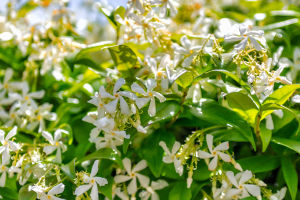
Imagine a garden that's full of life during the day—flowers blooming, leaves rustling in the breeze, and trees reaching for the sky. But when night falls, the scene changes. The leaves fold, flowers close, and everything seems to slow down. Are plants really "sleeping" at night like animals do?
It may not be the kind of sleep we think of, but plants do have their own version of a nightly rest. The scientific term for this rhythm is called the circadian rhythm, and it's the reason why plants "rest" during certain hours. So, how does this work, and why is it so important?
The Science Behind Plant Sleep
Just like humans and animals, plants have an internal biological clock that governs their activities, including when they "wake up" and when they "rest." These rhythms are influenced by the day-night cycle and help plants optimize their energy use. While they're not exactly “sleeping” like animals, they're certainly winding down to focus on essential processes that support growth and survival.
What is the Circadian Rhythm?
The circadian rhythm is a natural, internal process that regulates the sleep-wake cycle in living organisms. In plants, this rhythm is closely tied to light and dark cycles, controlling when certain activities like photosynthesis (food production) and transpiration (water loss) happen.
Example: During the day, a plant is busy photosynthesizing, using sunlight to make food. But at night, it "rests" by shutting down photosynthesis and using its stored energy for growth and repair.
How Light Affects Plant Behavior
Light is the main trigger for the plant's circadian rhythm. The presence of sunlight during the day stimulates various processes, but as the sun sets, the plant senses the change in light and begins its nightly “rest.” This isn't about sleep in the conventional sense but about optimizing energy use and focusing on internal repair and growth.
Example: Some plants, like the morning glory, open their flowers with the sunrise and close them again as night falls, aligning their rhythm with the day-night cycle.
Plants Rest, But Why Does It Matter?
You might wonder, why do plants need to rest? They don't have eyes, muscles, or nervous systems like animals, so how does sleep impact them? It turns out that nighttime “rest” is essential for their growth, reproduction, and overall health. During the night, plants focus on different tasks than they do during the day.
Growth and Repair During the Night
At night, when the plant isn't busy absorbing sunlight, it focuses on growth and internal repair. Cellular functions like respiration, nutrient absorption, and even storing energy happen during this time, ensuring that the plant is ready for the next day.
Example: Studies show that during the night, plants like the Arabidopsis flower engage in processes like protein synthesis and repairing damage from the day's activities.
Energy Conservation
While plants may seem still at night, they're actually quite active—just in different ways. The break from photosynthesis at night helps them conserve energy, much like how we recharge by sleeping. Plants don't want to waste energy when there's no sunlight to help them produce food, so they switch gears and focus on internal processes that keep them healthy.
Example: A tree like the oak slows its energy-consuming processes at night, reducing the amount of water and nutrients needed to maintain the high levels of activity that occur during the day.
Are All Plants the Same at Night?
Not all plants “sleep” in the same way. Some plants have unique nighttime behaviors that help them survive in different environments. These variations are adaptations to the plant's environment and the specific challenges it faces.
Nocturnal Flowers and Their Pollinators
Certain plants have adapted to attract nighttime pollinators like moths or bats. These plants bloom at night and release strong scents to draw in pollinators that are active after dark. Their circadian rhythm is tuned to open flowers and release nectar only at night.
Example: The night-blooming cereus, a type of cactus, opens its flowers only at night to attract pollinators like moths, ensuring that it has the best chance to reproduce.
Plants with “Sleep Movements”
Some plants are known for their dramatic “sleep movements,” where leaves or flowers fold up at night and reopen in the morning. This is part of their circadian rhythm, helping them conserve water and protect themselves from the cold nighttime temperatures.
Example: The mimosa pudica, or sensitive plant, folds its leaves when touched and also closes them at night as part of its natural rhythm.
Why Understanding Plant Sleep is Important
As researchers study plant rhythms, they gain more insight into how plants interact with their environment. Understanding how plants “sleep” can help us manage crops more effectively, protect natural ecosystems, and even conserve water and energy.
Improving Crop Yields
By understanding how plants use their circadian rhythms to optimize energy and water use, farmers can better manage irrigation schedules, improve plant growth, and reduce energy costs.
Example: Farmers who understand the timing of plant rest can optimize watering schedules to ensure that plants are receiving water when they need it most, boosting crop yields.
Environmental Conservation
In ecosystems, knowing how plants respond to changes in light, temperature, and moisture can help protect species at risk from climate change. Since plants are sensitive to environmental shifts, understanding their nighttime behaviors can guide conservation efforts.
Example: The study of plant circadian rhythms is helping scientists develop conservation strategies for endangered plant species, especially those threatened by habitat loss and climate change.
Resting with a Purpose
While plants don't sleep in the same way animals do, their circadian rhythms are just as important. These rhythms help plants grow, reproduce, and conserve energy, ensuring that they're ready to face the challenges of the next day. Just like us, plants need their rest to stay healthy and thrive. By paying attention to how plants “sleep,” we can learn how to care for them better, enhance crop production, and protect our environment. So, the next time you see a flower close up at dusk or a tree stand still through the night, remember—it's not just resting; it's doing the work it needs to stay strong and vibrant.